How IKEA Used AI to Elevate Roles Instead of Eliminating Them
This is a subtitle for your new post
Like most technologies, AI is not going away. It is here to stay. For the most part, I’m seeing small-scale adoption that helps individuals within organizations write faster and produce content. However, I’m not yet seeing organizations take the more strategic step of critically thinking about what parts of their operations could be improved by integrating AI into the process.
Before I get too deep into my thoughts, I want to acknowledge everyone is doing too much with too little and is stretched so thin that they’re struggling to reach the right constituents, or enough of them.
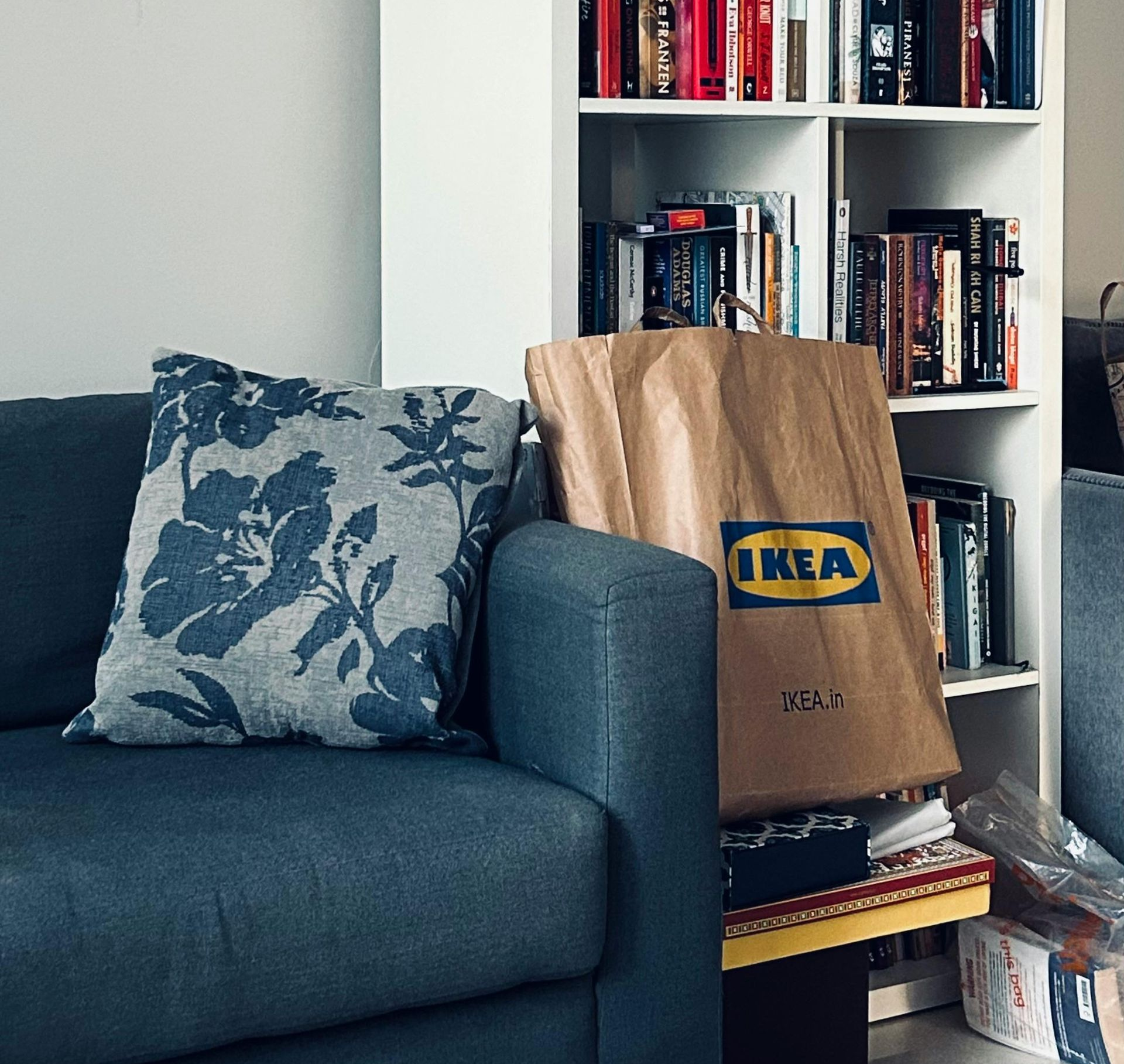
That is why I was inspired to hear about how IKEA re-engineered its customer service chatbot.
Like many companies, IKEA’s AI chatbot took over many of the basic customer service questions: order tracking, returns, store hours, and basic product inquiries. In fact, it has significantly reduced workload across customer service teams by handling a large share of incoming requests.
Instead of using AI purely to reduce headcount, IKEA looked at the types of questions AI couldn’t answer well. A pattern emerged: customers didn’t just want answers—they wanted help designing their homes.
So IKEA made a different kind of decision.
They retrained customer service employees and repositioned them as remote interior design consultants, supported by AI tools that help create layouts, recommend products, and guide customers through design decisions.
The result wasn’t just efficiency.
It was new value—reportedly generating over $1B in early rollout and creating an entirely new service model for the business.
AI doesn’t have to replace work—it reveals where human work becomes more valuable. The companies that will win this next era are not the ones using AI to do less, but the ones using AI to reimagine what’s possible.
Bringing this back to marketing: it is extremely time-consuming work. Most organizations are not operating with the level of frequency that 2026 demands. They are not present on enough platforms or publishing often enough to stay competitive.
AI cannot, and will not, for the foreseeable future, replace creative strategy. But when thoughtfully integrated, it can elevate teams, helping marketers become more effective in the areas and regions they are trying to grow into and expand. It is about using the tools to do more, not replace headcount. Those are the organizations that will innovate and reach their mission and goals.
Learn about this IKEA story here: https://youtube.com/shorts/To1w_AtPEGY?si=DuSD4k9LKBcWJcGt